

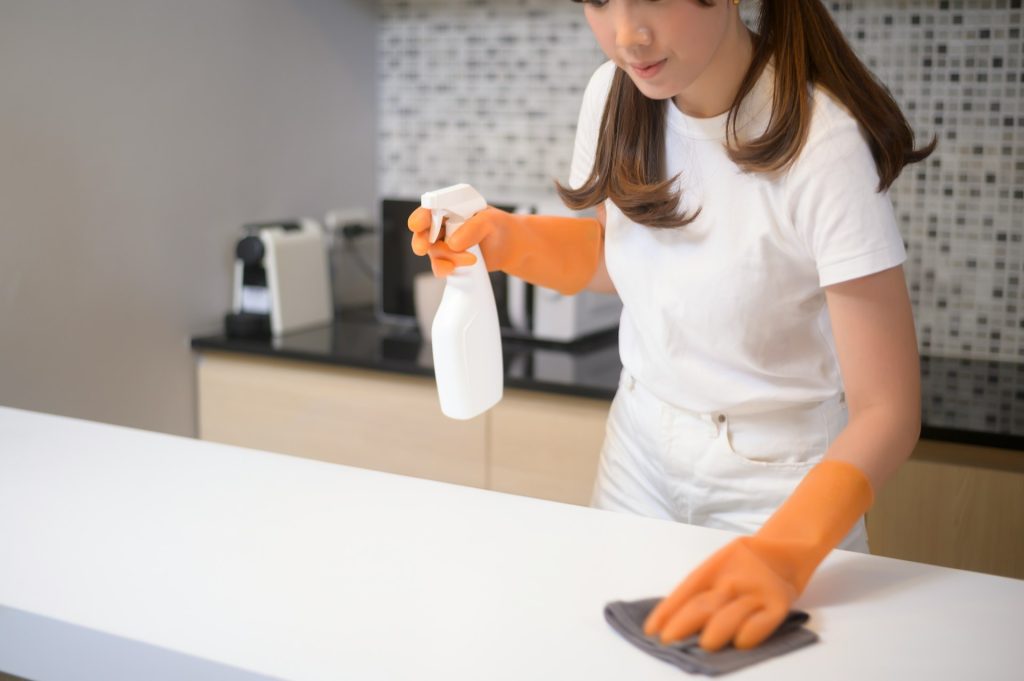
Maintaining custom kitchen countertops is an important part of keeping your kitchen looking great and functioning well. Over time, even the most stunning countertops can collect stains from everyday activities. Spills from red wine, coffee, and other substances can leave marks that are hard to remove. Proper care not only retains the aesthetic appeal but also ensures long-lasting durability. In this article, we’ll explore countertop maintenance and tackle the challenge of removing stubborn stains that may have made themselves at home on your surfaces.
The Canada-based Kitchen Concepts offers a wide selection of custom kitchen countertops, each with its unique maintenance needs. Understanding these specific requirements will help keep your counters in top shape. We’ll look at some popular materials like granite, quartz, and marble, noting how they handle stains and the best ways to treat them. With the right knowledge, you’ll be equipped to handle whatever mess comes your way.
Understanding Different Custom Kitchen Countertops
Custom kitchen countertops come in a variety of materials, each with its unique set of qualities. Let’s take a look at some of the popular options and the common issues that can arise:
1. Granite: Often chosen for its natural beauty and durability, granite is a favorite for many homeowners. However, granite is porous and can easily absorb oils and juices, leading to dark spots.
2. Quartz: As a non-porous surface, quartz is less likely to stain compared to other materials. Yet, it can still be prone to marks from strong dyes found in certain foods and drinks.
3. Marble: Known for its classic elegance, marble is particularly sensitive to acidic substances like lemon juice and vinegar. These can etch the surface, leaving dull spots.
4. Laminate: Offered in a wide range of colors and patterns, laminate is an affordable choice. It’s resistant to scratches and stains, but deep cleaners might discolor it over time.
Understanding these materials helps in diagnosing potential problems and applying the right cleaning methods to preserve their integrity.
General Tips for Stain Removal
Here are some basic tips on how to keep those countertops looking their best:
– Act Fast: Quickly addressing spills prevents stubborn stains from setting in. Use a soft cloth to blot liquids rather than rub them into the surface.
– Use Gentle Cleaners: Opt for mild dish soap and warm water for regular cleaning. Avoid bleach and abrasive cleaners that might damage or discolor your countertops.
– Avoid Harsh Scrubbing: Use non-abrasive cloths or sponges to prevent scratching the surface.
– Seal Regularly: If you have granite or another porous material, sealing every year helps resist stains and maintain the surface.
By following these general guidelines, you can reduce the chances of permanent stains and keep your countertops looking fresh and inviting for years to come.
Step-By-Step Stain Removal for Common Materials
Different countertop materials need tailored methods for stain removal to ensure they remain in top condition. It’s important to tackle each material uniquely, as what works for one might not be suitable for another.
1. Granite Stain Removal: For oil stains, cover the affected area with baking soda paste made from baking soda and water. Let it sit for 24 hours before rinsing. For wine or juice stains, use hydrogen peroxide. Dab it on the spot gently with a clean cloth and rinse afterward.
2. Quartz Stain Removal: Quartz is known for its durability but can still fall victim to stains. For those tough spots, like ink or food coloring, a non-abrasive cleaner and warm water usually do the trick. Apply the cleaner and let it sit for a few minutes before wiping it off gently.
3. Marble Stain Removal: Marble is delicate, requiring special care. For acidic spills, mix a paste of baking soda and water. Spread the paste on the stain and cover it with plastic wrap. Allow it to sit for a day before wiping it away with a damp cloth, taking care to dry the surface thoroughly.
4. Laminate Stain Removal: Laminate is easy to clean, but for tougher stains, use a mixture of dish soap and warm water. For persistent marks, a bit of white vinegar can be effective. Remember to rinse off any cleaner with clean water to avoid any residue buildup.
Using the right approach for each surface type helps in maintaining the look and lifespan of your countertops.
Preventative Measures for Long-Term Care
Preventing stains is all about routine care and thoughtful habits. Here are some tips to keep your countertops spotless over time:
– Immediate Clean-Up: Make it a habit to clean up spills as soon as they occur. Quick action minimizes the chance of staining.
– Coasters and Trivets: Place coasters under glasses and trivets under hot pans to protect the surfaces from heat and moisture damage.
– Regular Sealing: For porous materials like granite, sealing the countertop every year helps create a barrier against spills and stains.
– Avoid Harsh Chemicals: Steer clear of using strong chemicals or abrasive pads that could scratch or dull the surface.
By introducing these habits into your daily routine, you can maintain your countertops’ beauty and functionality.
Keeping Your Countertops Looking New
Maintaining the pristine look of your countertops not only enhances your kitchen’s appeal but also extends the life of your surfaces. By understanding the specific needs of each material and employing effective cleaning and prevention strategies, you can keep your kitchen beautiful.
Whether dealing with granite, quartz, marble, or laminate, each type has its specific way to address stains and keep looking its best. Regular care and cautious use ensure these heart-of-the-home surfaces remain a pleasure for years. With the right approach, your kitchen can continue to be the welcoming space you love to gather in.
Thinking of updating your kitchen? Explore options for custom kitchen countertops that perfectly match your style and needs. Kitchen Concepts offers expert guidance to help you choose the right surface, with stunning materials like quartz, marble, and granite available to fit seamlessly into your design. Let us help you create a kitchen that’s both functional and beautiful.