

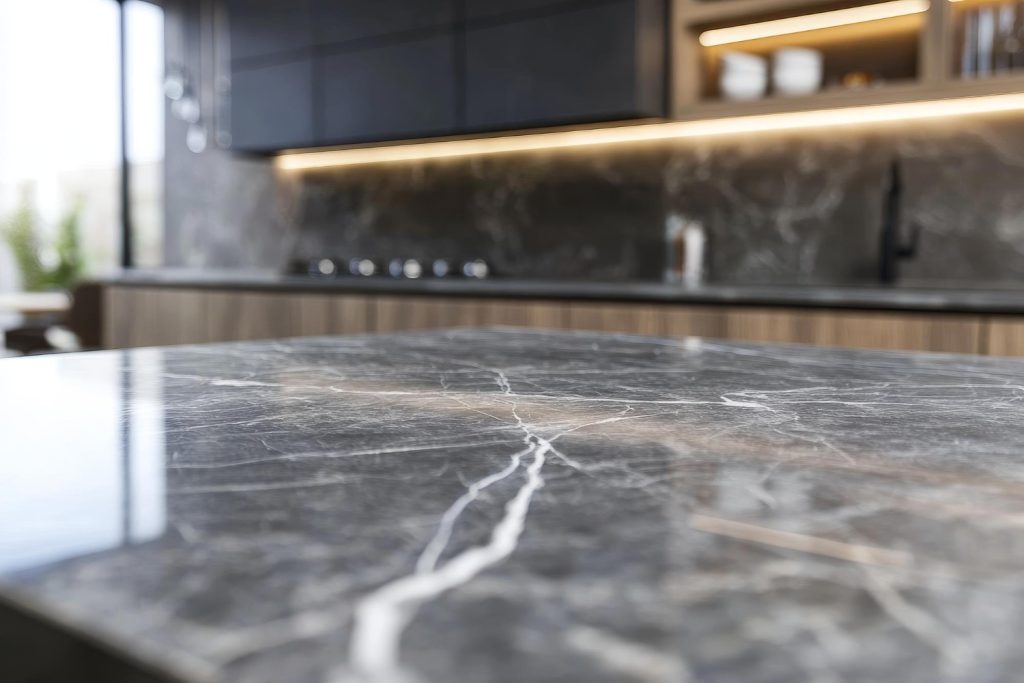
Accidents happen. Whether it’s a slipped mug or an overlooked pot, those dents and scratches on your custom kitchen countertops can become glaring reminders. Your countertops don’t just add style to your kitchen; they’re an investment that needs care to maintain their charm and functionality. Keeping them in top shape isn’t just about aesthetics; it’s about preserving your kitchen’s heart.
Addressing chips and cracks early on saves you from bigger headaches down the line. It’s like fixing a small leak before it floods the entire house. This article dives into ways you can tend to those minor blemishes and when it might be time to call in the pros. Let’s get started and ensure your countertops stay as sleek and polished as the day they were installed.
Identifying Chips and Cracks
Spotting the damage early is your first line of defense. Chips and cracks can develop over time from normal wear and tear. Recognizing them before they expand keeps maintenance minimal. But how do you know when it’s just a surface scratch or something more serious?
Look for:
– Tiny flakes that show up, especially near the edges.
– Fine lines that might feel rough to the touch.
– Small pits which change the texture slightly.
These signals tell you a repair might be necessary. Catching them right away helps avoid costly renovations later. Remember, most chips and cracks start small. Letting them linger leads to bigger fixes, such as full countertop replacements, which no one wants. Like catching cold symptoms before needing antibiotics, an early response can save a lot of hassle and expense.
Taking a closer look at these indicators can guide you in deciding whether a little DIY fix could handle the problem or if professional help is warranted. Keeping an eye on these details ensures your kitchen remains both beautiful and highly functional.
DIY Fixes for Minor Chips
Once you identify those pesky minor chips in your custom kitchen countertops, tackling them can be quite simple. You don’t always need a professional for tiny imperfections. Before you start, gather some basic tools that you can find at most hardware stores. Here’s how you can take care of those small chips:
1. Cleaning the Area: Begin by meticulously washing the chip area with a mild cleaner and warm water. Ensure it’s free of any debris or residue as clean surfaces are easier to work on.
2. Applying Epoxy: Purchase an epoxy resin kit specifically designed for countertops. Follow the instructions to mix the epoxy. Carefully apply it to the chip using a wooden stick or a small brush.
3. Smoothing the Surface: Once applied, use a plastic scraper or a putty knife to level the epoxy with the rest of the surface. Be gentle to avoid any misalignments.
4. Allow Curing: Let the epoxy set and cure as instructed. Generally, it dries clear, blending seamlessly with most countertop materials.
5. Polishing Finish: After the epoxy sets, buff the surface lightly using a soft cloth. This will restore the shine and texture, making the chip almost invisible.
These steps can effectively manage small chips, keeping your countertops looking fresh and extending their life without too much hassle.
Professional Repairs for Major Cracks
When it comes to significant cracks, calling in a professional is the best way forward. Large cracks can compromise the structural integrity and aesthetics of your countertop. Experts have the tools and materials to ensure a seamless repair. Here’s the basic procedure you can expect:
– Assessment: A technician will examine the depth and length of the crack and determine the underlying cause. This initial diagnostic helps decide the best fix.
– Preparation and Cleaning: Like any repair, cleaning the affected area comes first to ensure a smooth process. The professional might use specific cleaners to ensure no residue can interfere.
– Filling the Crack: Professionals use high-quality fillers, which might be tinted to match the exact colour and pattern of your countertop. This ensures the repaired section doesn’t stand out.
– Resurfacing: Once filled, the surface will often be sanded lightly to even out any excess and provide a smooth finish.
– Polish and Seal: After the repair is complete, the entire countertop might be polished to blend the repair seamlessly, and then sealed to protect against future wear.
Having a professional address these kinds of repairs ensures that the job is done correctly and your countertop maintains its pristine look.
Preventive Measures
Prevention truly is the best medicine. Consistently caring for your countertops can greatly diminish the frequency of chips and cracks. Here are a few practices to extend the life of your custom countertops:
– Use Cutting Boards: Always cut on a board, rather than directly on the countertop, to prevent scratches and minor chips.
– Avoid Direct Heat: Place a heat-resistant mat under hot pots and pans. Direct heat can lead to cracks, especially in materials like quartz and granite.
– Regular Sealing: Depending on the countertop material, regular sealing helps protect it against stains and damage. Granite, for example, benefits from a yearly sealing.
Taking these preventive steps will not only maintain your countertop’s appearance but also ensure its longevity. Keep your countertop in the best shape possible by taking these everyday precautions.
Ready to elevate the elegance and durability of your kitchen? Discover how Kitchen Concepts can transform your culinary space with kitchen cupboards and countertops that are crafted to perfection. Our expert craftsmanship ensures your countertops remain the stunning focal point of your kitchen for years to come. Contact us today to make your dream kitchen a reality.